
Commercial Property Manager's Complete Guide to Twin Cities Landscape Maintenance

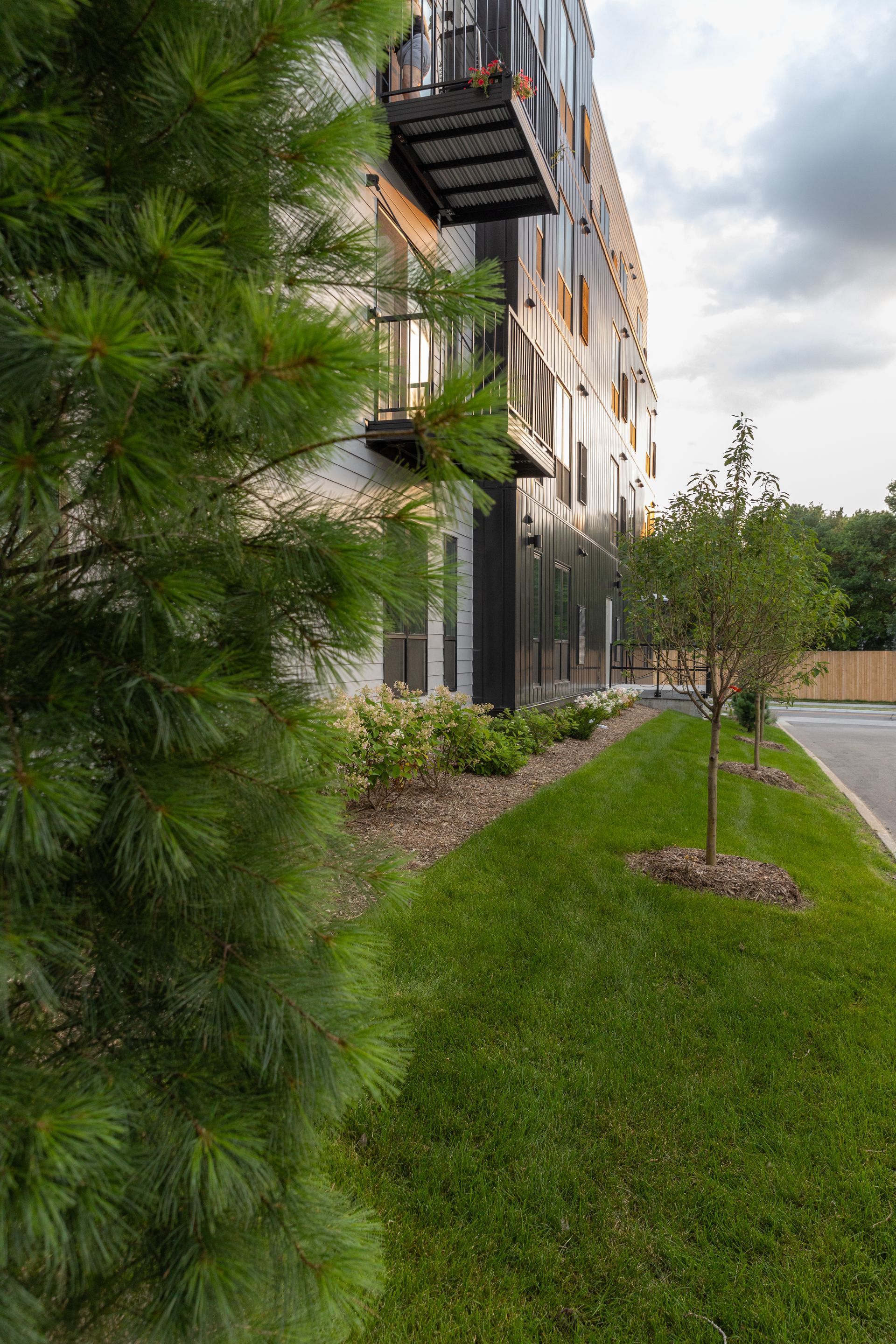
Managing commercial properties in the Twin Cities requires a deep understanding of local climate challenges, seasonal maintenance needs, and the business impact of professional landscaping. Whether you oversee office complexes in Burnsville, retail centers in Dakota County, or industrial properties throughout the metro area, your landscape maintenance decisions directly affect tenant satisfaction, property values, and your bottom line.

This comprehensive guide provides property managers and facility directors with the essential knowledge, tools, and local insights needed to make informed decisions about commercial landscape maintenance in the Twin Cities market.

1. Why Professional Landscape Maintenance Matters for Commercial Properties

Commercial landscaping goes far beyond curb appeal. For property managers, it represents a strategic investment that delivers measurable returns across multiple areas of your operation. Understanding these impacts helps justify maintenance budgets and guide decision-making processes.

Tenant Retention and Satisfaction
Well-maintained landscapes create positive first impressions and ongoing satisfaction for tenants and their customers. Studies show that professional landscaping can increase tenant retention rates by up to 15%, directly impacting your occupancy rates and reducing turnover costs. When tenants feel proud to bring clients to their office, they're more likely to renew leases and recommend the property to others.

The psychological impact of well-maintained green spaces extends beyond aesthetics. Research indicates that employees working in buildings with quality landscaping report higher job satisfaction and productivity levels. This translates to happier tenants who view their lease as an investment in their business success rather than just overhead expense.

Property Value Protection
Professional landscape maintenance protects and enhances property values. Commercial properties with consistently maintained landscapes typically command 10-15% higher lease rates and see stronger appreciation over time. This premium reflects the reduced risk profile these properties present to both tenants and investors.

Deferred maintenance compounds quickly in Minnesota's harsh climate. A small drainage issue left unaddressed can become a major foundation problem. Dead trees become safety hazards that create liability exposure. Professional maintenance identifies and addresses these issues before they become costly repairs or legal problems.

2. Commercial Landscape Budget Planning Framework

Effective budget planning requires understanding both the baseline costs of maintenance and the variables that drive expenses up or down. Twin Cities properties face unique cost factors that must be accounted for in annual planning processes.

Annual Budget Calculation
For Twin Cities commercial properties, budget 3-5% of gross rental income for landscape maintenance. This percentage varies based on several key factors that property managers must evaluate for their specific situations.

Property type significantly impacts maintenance needs. Office complexes require more intensive maintenance than industrial properties due to tenant expectations and visitor traffic. Class A office buildings need premium maintenance standards that can push budgets toward the higher end of the range, while industrial properties may operate effectively at the lower end.

Monthly Budget Distribution
Twin Cities properties should allocate landscape budgets across the year based on seasonal demands that reflect our unique climate patterns. This distribution helps prevent cash flow crunches during peak maintenance periods and ensures adequate resources are available when needed most.

Spring (March-May): 35% of annual budget covers cleanup, mulching, spring planting, and irrigation startup. This heavy allocation reflects the intensive restoration work needed after harsh Minnesota winters and the narrow window for completing essential spring tasks.
Summer (June-August): 25% of annual budget handles regular maintenance, watering, pest control, and pruning. While the percentage is lower, the absolute frequency of services increases during the peak growing season.

3. Vendor Evaluation Process: Selecting the Right Landscape Partner

The success of your landscape maintenance program depends heavily on selecting the right contractor. Twin Cities properties require vendors who understand local conditions and can deliver consistent results regardless of weather challenges.

Essential Qualifications
Minnesota contractor licensing is required for projects over $15,000, and this threshold is often reached quickly on commercial properties. Verify that contractors maintain current licenses and understand the scope of work that requires licensed oversight versus tasks that can be performed by unlicensed crews.

Insurance requirements go beyond basic coverage. General liability insurance should be minimum $1 million, but properties with high-value landscaping or significant pedestrian traffic should require higher limits. Workers' compensation coverage protects property owners from liability if contractor employees are injured on site.

Commercial auto insurance becomes critical when contractors transport equipment and materials across multiple sites. Verify that coverage extends to all vehicles and equipment used on your property, not just primary business vehicles.

Local Experience
Minimum 5 years serving commercial properties in the Twin Cities ensures contractors understand seasonal timing, local regulations, and client expectations. Ask for references from similar property types and sizes, and verify these references represent ongoing relationships rather than one-time projects.
Understanding of local climate and soil conditions separates experienced local contractors from national companies without regional expertise. Dakota County's heavy clay soils require specific management techniques that inexperienced contractors often handle poorly, leading to drainage problems and plant failure.

4. Twin Cities Seasonal Maintenance Calendar

Minnesota's continental climate creates distinct maintenance periods that require different approaches and resource allocation. Understanding these seasonal patterns helps property managers plan effectively and set appropriate expectations with tenants.

Spring Operations (March-May)
March marks the beginning of the most critical period in the landscape maintenance year. Winter damage assessment requires systematic evaluation of every element of the property's landscape. Storm damage, salt exposure, freeze-thaw cycles, and snow load all create problems that must be identified and prioritized for repair.

Irrigation system inspection and startup cannot be delayed once temperatures consistently stay above freezing. Broken pipes, damaged heads, and controller malfunctions discovered late delay the entire growing season and can result in plant losses that require expensive replacement.

April brings the narrow window for spring restoration work. Power raking and overseeding must be completed before temperatures become too warm for seed germination. Mulch installation protects plants and improves appearance, but timing matters - too early and late freezes can damage newly exposed plants.

Summer Maintenance (June-August)
Peak growing season requires the highest frequency of services but represents a lower percentage of the annual budget due to the routine nature of most tasks. Weekly mowing becomes essential to maintain professional appearance, while less frequent deep watering proves more effective than daily shallow irrigation.

Pest monitoring intensifies during summer months when insect populations peak and plant stress makes properties vulnerable to disease problems. Early detection and treatment prevent minor issues from becoming major problems that require expensive remediation or plant replacement.

Have you noticed how tenant complaints about property appearance spike during hot summer months when maintenance schedules slip? Consistent service delivery during peak season prevents these issues and maintains tenant satisfaction throughout the most visible period of the year.

Conclusion

Managing commercial properties in the Twin Cities requires a landscape maintenance partner who understands local conditions, regulations, and business needs. The investment in professional landscape maintenance pays dividends through improved tenant satisfaction, enhanced property values, and reduced liability risks. By following the frameworks outlined in this guide, property managers can make informed decisions that protect their investment and create properties that attract and retain quality tenants.

Ready to elevate your commercial property's landscape maintenance? Contact TGC Lawn & Landscape today for a comprehensive property assessment and customized maintenance proposal that addresses your specific Twin Cities commercial property needs.

By TGC Lawn & Landscape April 14, 2026
Learn essential knowledge, tools, and local insights needed to make informed decisions about commercial landscape maintenance in the Twin Cities market. Includes budget planning, vendor evaluation, and seasonal maintenance calendars.
By TGC Lawn & Landscape April 12, 2026
Essential guide for property managers in the Twin Cities. Learn budget planning, vendor selection, seasonal maintenance schedules, and risk management strategies for commercial landscape maintenance.
By micahperzichilli April 11, 2026
Essential guide for property managers in the Twin Cities. Learn budget planning, vendor selection, seasonal maintenance schedules, and risk management strategies for commercial landscape maintenance.
April 9, 2026
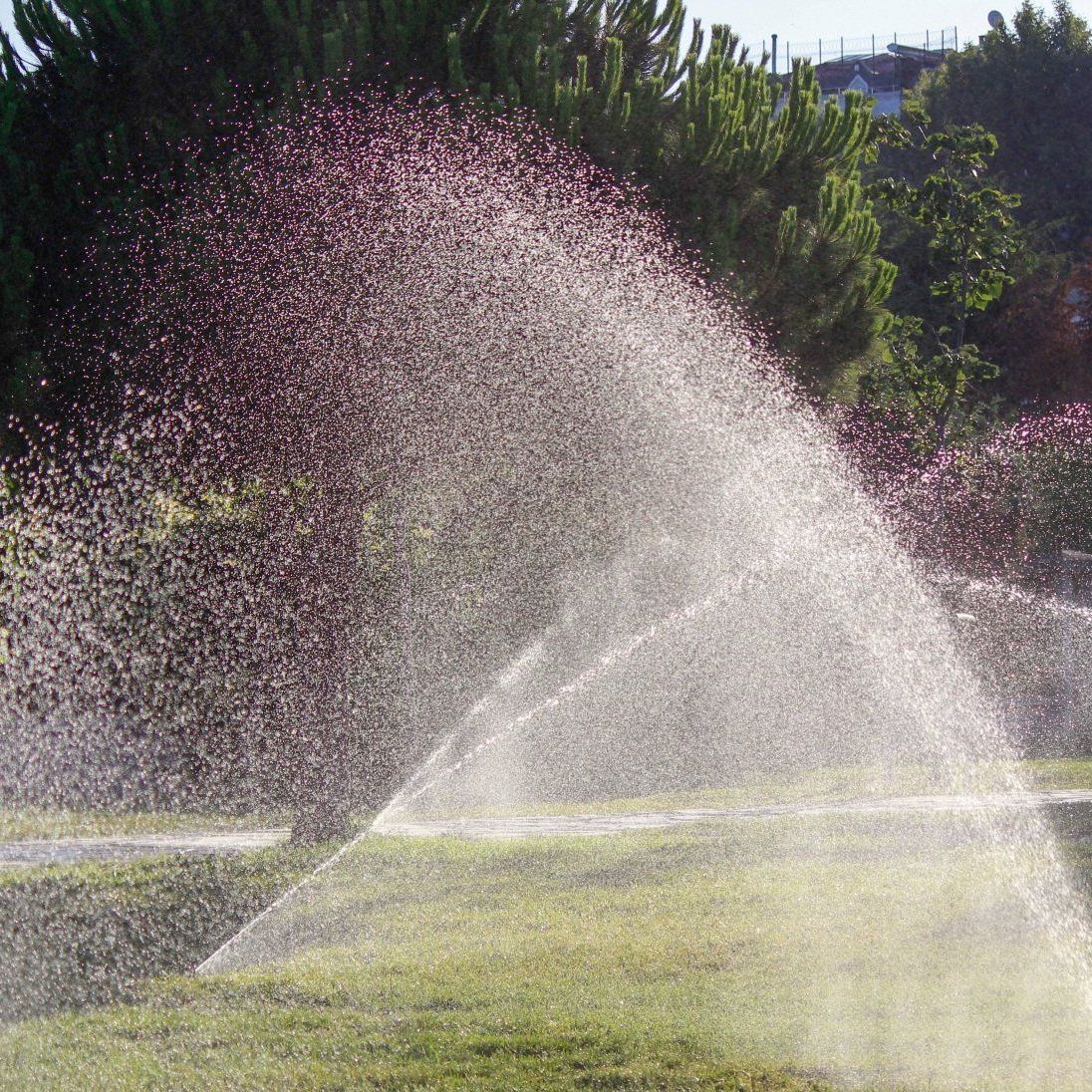
In Minnesota, changing weather, dry spells, and inconsistent rainfall can make it difficult to keep grass looking its best throughout the season. For many homeowners, that leads to the same question: is irrigation right for your lawn? The answer depends on your property, your goals, and how much time you want to spend managing watering by hand. For some homeowners, an irrigation system is a smart investment that improves lawn health, saves time, and helps protect landscaping. For others, simpler watering methods may be enough. Here is what homeowners should know when deciding whether a lawn irrigation system is the right fit. What Does an Irrigation System Do? A lawn irrigation system is designed to deliver water evenly across your yard on a consistent schedule. Instead of dragging hoses and sprinklers around the property, homeowners can rely on built-in sprinkler zones to water different areas as needed. A professionally designed irrigation system can help: keep grass greener during hot and dry periods water more evenly than manual sprinklers reduce the stress of remembering when and how long to water support healthier root growth protect your investment in sod, seed, and landscaping For busy homeowners, convenience is often one of the biggest advantages. A system can do the work automatically while making sure the lawn gets the right amount of water. Signs Irrigation May Be Right for Your Lawn Not every property needs a full irrigation system, but there are several signs it may be worth considering. Your Lawn Dries Out Quickly: If parts of your yard turn brown or patchy during dry weather, your lawn may not be getting enough consistent moisture. This is especially common in areas with full sun, sloped ground, or lighter soil. You Struggle to Water Consistently: Life gets busy. If watering often gets pushed aside, an irrigation system can help keep your lawn on track without the daily effort. You Have a Larger Yard: The bigger the lawn, the harder it is to water effectively with a hose and portable sprinkler. Irrigation systems are especially helpful for properties with large front and back yards or multiple landscape zones. You Have New Sod or Seed: New grass needs careful, consistent watering to establish strong roots. An irrigation system makes it much easier to maintain the schedule needed for successful growth. You Want to Protect Landscaping: Irrigation is not just for grass. It can also help support planting beds, shrubs, and other landscape features that need regular watering during the growing season. When Irrigation Might Not Be Necessary Some homeowners may not need a full irrigation system. You may be able to stick with manual watering if: your yard is small and easy to manage you do not mind watering regularly your lawn already stays healthy with minimal effort you are not trying to maintain a consistently lush, green appearance all season In these situations, a hose and sprinkler setup may be enough. The key is whether your current approach is realistic and effective for your property. The Benefits of Lawn Irrigation for Homeowners When properly installed and maintained, irrigation can offer several long-term benefits. More Consistent Lawn Health: Grass grows best when it gets the right amount of water at the right time. Too little water can lead to stress and thinning, while too much can create shallow roots and disease issues. An irrigation system helps create a more consistent routine. Better Water Coverage: Portable sprinklers often leave dry spots, overwater some areas, and miss others completely. Professional irrigation systems are designed to deliver more even coverage across the lawn. Time Savings: Homeowners often underestimate how much time it takes to water by hand, especially during the hottest weeks of summer. With irrigation, watering becomes one less thing to manage. Improved Curb Appeal: A greener, healthier lawn can make a big difference in how your home looks from the street. If curb appeal matters to you, irrigation can help maintain a cleaner, more polished appearance. Support for Overall Landscape Maintenance: A lawn that receives consistent watering tends to respond better to mowing, fertilization, weed control, and seasonal care. Things to Consider Before Installing Irrigation: Before deciding on an irrigation system, it helps to think through a few practical questions. What Are Your Lawn Goals? Do you want a lawn that simply survives the summer, or do you want one that stays thick, green, and attractive throughout the season? Your expectations matter. How Much Time Do You Want to Spend Watering? Some homeowners do not mind managing hoses and sprinklers. Others would rather automate the process and avoid the hassle. What Areas Need Water Most? Some properties have problem areas that dry out faster than others. Full sun, sandy soil, slopes, and newly seeded sections may all need more support. Are You Planning Other Landscape Improvements? I f you are already investing in new sod, plantings, or landscape upgrades, irrigation can help protect that investment and improve long-term results. Professional Irrigation Installation Makes a Difference. A poorly planned irrigation setup can waste water, miss sections of the yard, or create overwatering issues. That is why professional design and installation matter. A good irrigation plan takes into account: lawn size and shape sunny and shaded areas slope and drainage soil conditions sprinkler head placement separate watering needs for turf and planting beds The goal is not just to install sprinklers. It is to create a system that works well for your property and supports healthier growth. Is Irrigation Worth It? For many homeowners, yes. If you want a more reliable way to keep your lawn healthy, reduce stress during dry weather, and save time on watering, irrigation can be a worthwhile investment. It is especially helpful for homeowners who: want a greener lawn with less manual effort have a larger yard struggle with dry spots recently installed sod or new landscaping want more consistent results throughout the season If your current watering routine is not giving you the results you want, it may be time to look at a better long-term solution. Need Help Deciding if Irrigation Is Right for Your Property? Every yard is different. The best irrigation plan depends on your lawn, your landscape, and how you want your property to look and function throughout the season. At The Grounds Crew, we help homeowners improve and maintain healthy, attractive outdoor spaces. If you are considering irrigation for your lawn, our team can help you determine the right approach for your property. Contact The Grounds Crew today to talk about your lawn care and irrigation needs.
March 18, 2026
From Snowstorms to Summer Lawns As winter finally begins to loosen its grip across Minnesota, the team at TGC Property Services is shifting gears from snow plows to lawn mowers. It’s been a busy season for our crews, and as we head into spring we’re already preparing for another full summer of lawn care, landscaping, and property maintenance across the Twin Cities. Here’s a look at what we’ve been working on and what’s coming next as the season changes.
February 17, 2026
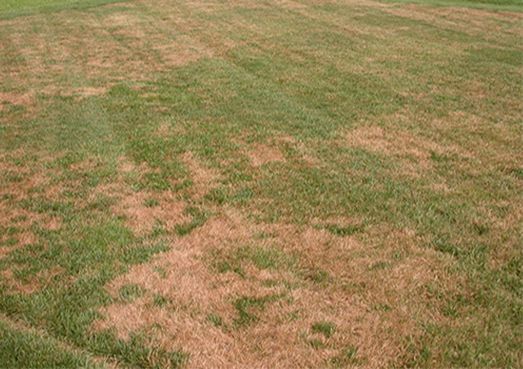
Are you noticing bare patches in your lawn as the snow melts?
January 25, 2026
But for property owners and managers across the Twin Cities, it’s actually the best time to start planning for spring landscaping projects. Once the snow melts, crews book fast, materials become limited, and timelines tighten. The smartest properties are the ones that prepare early. At The Grounds Crew, we help both residential and commercial clients across Minneapolis–Saint Paul get ahead of spring with smart winter planning. Here’s how you can use the colder months to set your landscape up for success.
January 5, 2026
When winter hits Minnesota, commercial property owners know how quickly snow, ice, and freezing temps can turn a safe, welcoming space into a major liability. But few people realize just how much coordination, equipment, and expertise goes into keeping those properties safe and accessible all season long. At The Grounds Crew, our team spends months preparing for what most people only see as a flurry of plow trucks and salt spreaders. Here’s a look behind the scenes at what it really takes to keep commercial properties running smoothly through a Minnesota winter. 1. It Starts Long Before the First Snowflake Our winter season doesn’t start when the first storm arrives — it starts in the fall. Before temperatures drop, we’re already: Mapping each property to plan plow routes and identify hazards or tight areas. Marking curbs, fire hydrants, and islands to protect both landscaping and equipment. Inspecting and maintaining our fleet so every truck, skid steer, and spreader is ready to go. This groundwork ensures that when the snow comes, our crews can move quickly and safely without guessing where to go or what to avoid. 2. Every Property Has a Custom Strategy No two commercial sites are the same. A small retail lot has different needs than a corporate campus, medical facility, or HOA complex. Before winter begins, we create a custom snow and ice management plan for each client. That includes: Priority areas (main entrances, ADA ramps, loading docks). Snow placement zones to prevent blocking visibility or drains. De-icing schedules based on high-traffic times. By customizing each site, we keep operations running efficiently and help property managers stay ahead of tenant or customer complaints. 3. The Overnight Work You Don’t See When a storm rolls in overnight, our team is already awake and mobilized. We use real-time weather tracking to decide when to deploy crews and how to rotate equipment. Crews often start before 3:00 a.m. to ensure parking lots and walkways are clear by business hours. During heavy snowfall, we plow in shifts to keep properties safe around the clock. This level of coordination requires: Dedicated route leads communicating updates in real time. Equipment monitoring to ensure efficiency and minimize downtime. Constant decision-making on whether to re-plow, re-salt, or switch priorities. For property managers, this means less stress — they can count on consistent communication and reliable service even during the biggest storms. 4. Salt, Safety, and Strategy Minnesota winters aren’t just about snow — ice management is just as critical. We use standard road salt for most commercial applications, but the key is strategic timing. Applying too early wastes material and reduces effectiveness; applying too late increases slip risks. Our crews are trained to read pavement temps, monitor melt-off, and return to problem areas if refreeze occurs. Proper timing and even distribution help minimize salt use while keeping your property safe and compliant with local safety standards. 5. Communication Is Everything Our commercial clients rely on fast, transparent communication — especially during unpredictable weather. We keep property managers updated on: When plowing or salting begins. Completion times for each visit. Any site issues or equipment notes. That communication helps businesses plan openings, deliveries, and staff schedules without guessing when their lots will be clear. 6. The Cleanup and Reset After each storm, we debrief and reset for the next. That means refueling equipment, repairing any wear and tear, and double-checking material supplies. Snow removal is a continuous operation — one storm ends and the prep for the next begins. The result is a consistent, professional service that clients can rely on no matter how unpredictable Minnesota’s winter becomes. The Takeaway When you pull into a freshly plowed lot or walk safely across an ice-free sidewalk, that’s the result of hundreds of moving parts working in sync. From early planning to post-storm follow-up, The Grounds Crew handles every detail so your property stays open, safe, and accessible — no matter what winter throws your way. Need reliable commercial snow and ice management this season? Contact The Grounds Crew to discuss your winter service plan.
November 6, 2025
but when it comes to your home, curb appeal is more than just looks — it’s pride, value, and longevity. Whether you’re planning to stay for years or thinking about resale down the line, how your property looks and functions on the outside plays a bigger role than most homeowners realize. At The Grounds Crew, we see firsthand how year-round maintenance transforms not just lawns, but entire neighborhoods. Here’s why taking care of your home’s exterior is one of the smartest investments you can make. 1. A Beautiful Yard Builds More Than Pride — It Builds Value Real estate experts agree: curb appeal can increase your home’s value by up to 7% or more. It’s one of the simplest ways to make a property stand out in a competitive market. Even if you’re not planning to sell soon, a well-maintained lawn, tidy landscape beds, and crisp edging make your home feel cared for and complete — the kind of property that sets the tone for the whole block. 2. Curb Appeal Starts With Consistency The secret to a great-looking yard isn’t perfection — it’s consistency. Regular mowing, trimming, and seasonal cleanups prevent small issues from snowballing into big ones. For example: Weekly mowing and edging keep grass uniform and healthy. Routine pruning improves plant growth and prevents overgrown shrubs from blocking windows. Seasonal fertilizing and aeration strengthen roots and keep your lawn resilient through Minnesota’s weather extremes. The difference between a “nice yard” and a truly standout home exterior comes from steady, ongoing care — not quick fixes once a season. 3. Safety and Function Go Hand in Hand A clean, maintained property isn’t just about appearance — it’s also safer and more functional. Regular upkeep prevents: Slippery sidewalks from overgrown vegetation. Drainage problems caused by clogged gutters or compacted soil. Pest issues from neglected mulch beds or piles of debris. A tidy, well-cared-for yard signals attention to detail — something guests, neighbors, and potential buyers all notice. 4. Curb Appeal Creates a Ripple Effect Good curb appeal is contagious. When one home stands out for its neatness and landscaping, it encourages others in the neighborhood to do the same. Over time, this collective pride helps strengthen property values and community appearance across the board. Your home doesn’t have to have the fanciest landscaping — just consistent, quality care. 5. Professional Maintenance Makes It Effortless Life gets busy — and Minnesota’s seasons don’t make it easy to keep up. Partnering with a professional grounds crew ensures your yard looks great year-round without the hassle of juggling multiple contractors or weekend chores. Whether you need mowing, shrub trimming, dethatching, or seasonal cleanups, our team handles every detail with a plan customized to your property. 6. The Long-Term Payoff The benefits of maintaining your home’s exterior go beyond the present season. Regular care helps: Prevent expensive repairs caused by neglect or water damage. Keep plants healthy through harsh winters and dry summers. Protect hardscapes, decks, and patios from cracking or erosion. In other words, you’re not just improving how your home looks — you’re protecting the investment you’ve already made. The Takeaway Your yard is the first thing people see — and the last thing you want to worry about. A well-kept exterior enhances your home’s beauty, boosts its value, and saves you time and money in the long run. Ready to elevate your curb appeal? Contact The Grounds Crew for professional residential lawn and landscape care that keeps your home looking its best — season after season.
September 23, 2025
As the vibrant colors of summer fade and the crisp autumn air settles in, property managers know it’s time to prepare their buildings and grounds for the colder months ahead. A well-executed fall checklist not only keeps your property looking its best but also prevents costly issues when winter arrives. At The Grounds Crew, we specialize in helping Minnesota property managers with the outdoor tasks that matter most this season. 1. Leaf Removal & Lawn Cleanup Fallen leaves may look pretty, but left unattended they can smother your turf, create slippery walkways, and lead to long-term lawn damage. Our team provides complete cleanup services—raking, blowing, and hauling away debris to keep your property safe and presentable. 2. Hedge, Shrub & Tree Trimming Autumn is the perfect time to shape hedges, shrubs, and trees. Pruning promotes healthier growth in the spring and keeps branches from becoming hazards during heavy snow or ice storms. We ensure your landscaping stays neat, balanced, and ready for the months ahead. 3. Aeration & Dethatching Healthy lawns require strong roots. Core aeration and dethatching allow water, oxygen, and nutrients to reach deep into the soil, ensuring your grass bounces back strong after the winter thaw. Fall is an ideal time to complete these treatments.