
Commercial Property Manager's Complete Guide to Twin Cities Landscape Maintenance
Managing commercial properties in the Twin Cities requires a deep understanding of local climate challenges, seasonal maintenance needs, and the business impact of professional landscaping. Whether you oversee office complexes in Burnsville, retail centers in Dakota County, or industrial properties throughout the metro area, your landscape maintenance decisions directly affect tenant satisfaction, property values, and your bottom line.
This comprehensive guide provides property managers and facility directors with the essential knowledge, tools, and local insights needed to make informed decisions about commercial landscape maintenance in the Twin Cities market.
Why Professional Landscape Maintenance Matters for Commercial Properties
Commercial landscaping goes far beyond curb appeal. For property managers, it represents:
Tenant Retention and Satisfaction
Well-maintained landscapes create positive first impressions and ongoing satisfaction for tenants and their customers. Studies show that professional landscaping can increase tenant retention rates by up to 15%, directly impacting your occupancy rates and reducing turnover costs.
Property Value Protection
Professional landscape maintenance protects and enhances property values. Commercial properties with consistently maintained landscapes typically command 10-15% higher lease rates and see stronger appreciation over time.
Liability Risk Management
Proper maintenance reduces slip-and-fall risks, ensures ADA compliance for walkways, and prevents vegetation-related damage to building structures. Professional contractors carry appropriate insurance and understand local safety requirements.
Operational Efficiency
Outsourcing to qualified professionals allows property management teams to focus on core responsibilities while ensuring consistent, reliable maintenance regardless of weather or staffing challenges.

Commercial Landscape Budget Planning Framework
Annual Budget Calculation
For Twin Cities commercial properties, budget 3-5% of gross rental income for landscape maintenance. This percentage varies based on:
- Property type (office complexes require more intensive maintenance than industrial)
- Landscape complexity (mature trees, irrigation systems, and specialty plantings increase costs)
- Tenant expectations (Class A properties require higher maintenance standards)
Monthly Budget Distribution
Twin Cities properties should allocate landscape budgets across the year based on seasonal demands:
- Spring (March-May):
35% of annual budget
- Cleanup, mulching, spring planting, irrigation startup
- Summer (June-August):
25% of annual budget
- Regular maintenance, watering, pest control, pruning
- Fall (September-November):
25% of annual budget
- Leaf removal, winterization, snow prep, final treatments
- Winter (December-February):
15% of annual budget
- Snow removal, ice management, dormant season planning
Cost Factors Specific to Twin Cities
Clay Soil Management
Minnesota's heavy clay soils require specialized drainage solutions and soil amendments. Budget an additional 10-15% for properties with drainage challenges, which are common throughout Dakota County.
Harsh Winter Recovery
Twin Cities winters create unique spring restoration needs. Budget for:
- Salt damage remediation along walkways and parking areas
- Winter kill replacement for marginally hardy plants
- Irrigation system repairs from freeze damage
- Heavy cleanup after snow melt reveals winter debris
Native Plant Integration
Incorporating native Minnesota plants reduces long-term maintenance costs but may require higher initial investment. Native plantings typically reduce water and fertilizer needs by 30-40% after establishment.
Vendor Evaluation Process: Selecting the Right Landscape Partner
Essential Qualifications
Licensing and Insurance
- Minnesota contractor license (required for projects over $15,000)
- General liability insurance minimum $1 million
- Workers' compensation coverage
- Commercial auto insurance for equipment transport
Local Experience
- Minimum 5 years serving commercial properties in Twin Cities
- References from similar property types and sizes
- Understanding of local climate and soil conditions
- Knowledge of municipal regulations across different cities
Equipment and Capabilities
- Commercial-grade equipment for efficient large-scale maintenance
- Snow removal equipment and 24/7 winter response capability
- Irrigation system installation and repair capabilities
- Tree care equipment and certified arborists on staff

Vendor Evaluation Checklist
Service Proposal Review:
- Detailed scope of work for each season
- Clear pricing structure (per-service vs. annual contract)
- Response time guarantees for emergency services
- Quality control and communication protocols
- Subcontractor management and oversight procedures
Financial Stability Assessment:
- Financial references from suppliers and other clients
- Bonding capacity for large projects
- Payment terms and late fee policies
- Change order procedures and pricing
Performance Standards:
- Specific maintenance schedules and frequencies
- Quality benchmarks and measurement methods
- Weather contingency plans and makeup procedures
- Customer service and communication standards
Red Flags to Avoid
- Door-to-door solicitation or high-pressure sales tactics
- Significantly lower bids without clear explanation
- Reluctance to provide local references
- Lack of proper licensing or insurance documentation
- No written contracts or vague scope definitions
- Payment demands before work completion
Twin Cities Seasonal Maintenance Calendar
Spring Operations (March-May)
March: Winter Damage Assessment
- Comprehensive property walkthrough to identify winter damage
- Irrigation system inspection and startup
- Pruning of damaged branches and winter-killed vegetation
- Soil testing in areas with suspected salt damage
April: Spring Restoration
- Power raking and overseeding of damaged turf areas
- Mulch installation in planting beds
- Pre-emergent herbicide application for crabgrass control
- Spring flowering bulb care and cleanup
May: Growth Season Preparation
- First fertilization of turf areas
- Planting of annual flowers and replacement perennials
- Irrigation system calibration and zone testing
- Initial pest monitoring and treatment if needed
Summer Maintenance (June-August)
June: Peak Growth Management
- Regular mowing and edging (weekly during peak growth)
- Deep watering establishment for new plantings
- First major weed control treatment
- Pruning of spring-flowering shrubs after bloom
July: Heat Stress Prevention
- Increased watering frequency for container plants
- Monitor and treat for summer pest issues
- Deadheading of flowering plants for continued bloom
- Mid-season fertilization for heavy-feeding plants
August: Late Summer Care
- Reduced watering as growth slows
- Summer pruning of trees for safety and health
- Planning for fall renovation projects
- Pest monitoring for late-season problems
Fall Preparation (September-November)
September: Renovation Season
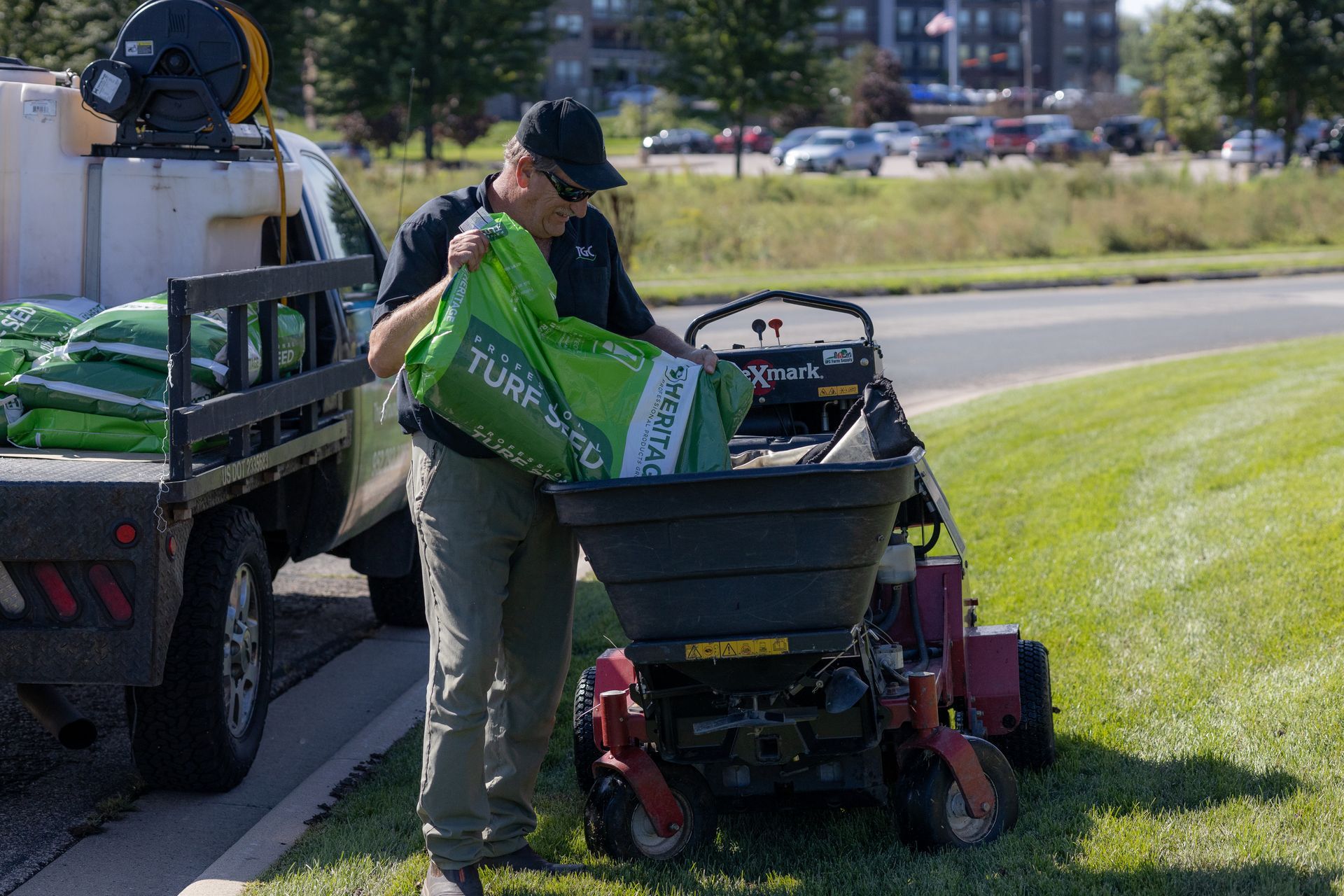
- Fall overseeding of thin or damaged turf areas
- Fall fertilization for root development
- Planning and preparation for leaf removal operations
- Irrigation system inspection and minor repairs
October: Winter Preparation
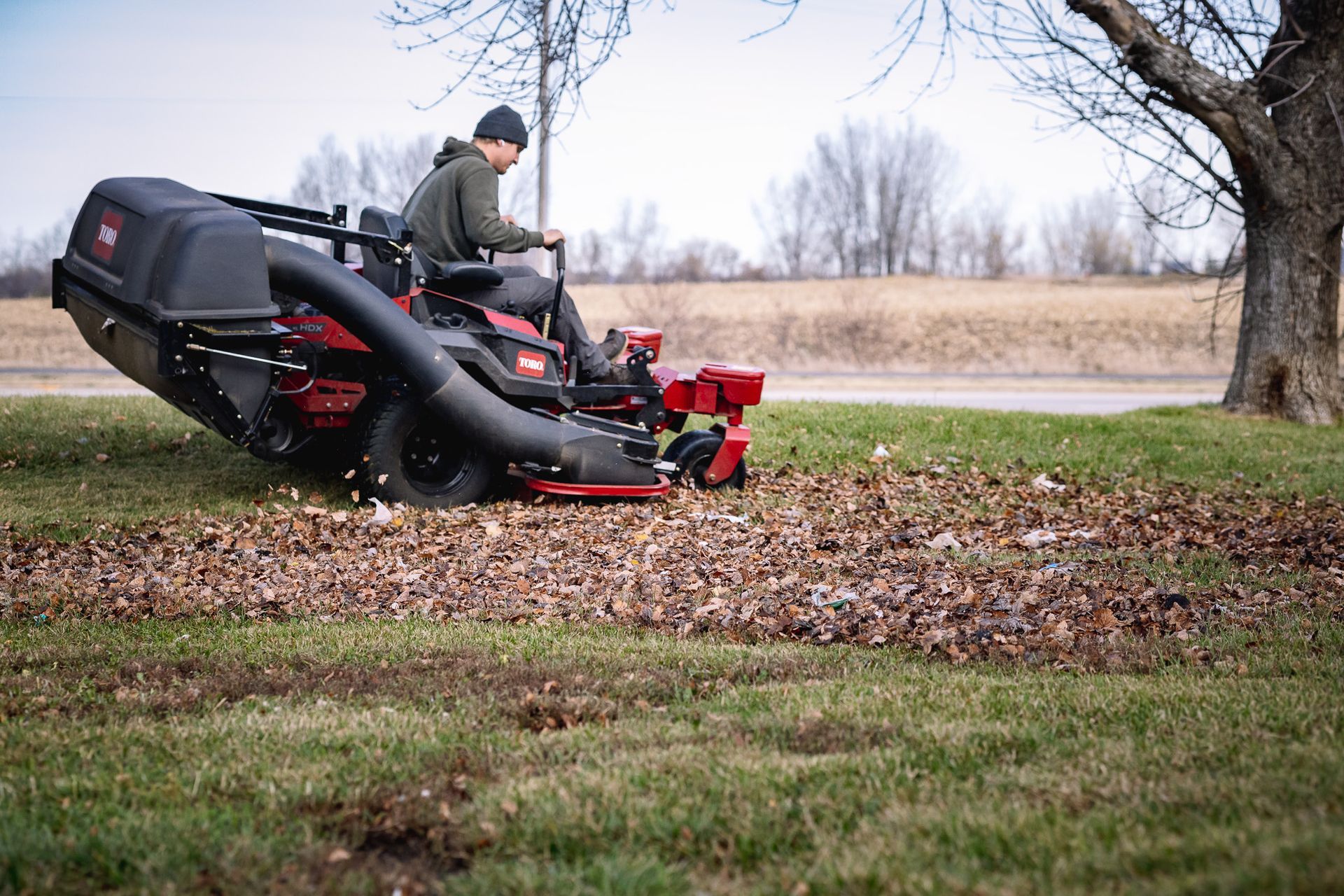
- Major leaf removal operations (typically 2-3 services)
- Final lawn fertilization and winterizer application
- Tree and shrub pruning for winter safety
- Mulch refresh in planting beds
November: Winterization
- Final leaf removal and property cleanup
- Irrigation system blowout and winterization
- Tree wrap installation for sensitive species
- Snow equipment preparation and deployment
Winter Operations (December-February)
Snow and Ice Management
- 24/7 monitoring and response to weather events
- Pre-treatment application before predicted storms
- Prompt removal to maintain tenant and customer access
- Post-storm cleanup and safety inspections
Dormant Season Planning
- Property assessment for upcoming renovation projects
- Budget planning for next year's landscape improvements
- Tree health evaluation and winter pruning as needed
- Planning for spring restoration projects
Liability and Insurance Considerations
Property Manager Responsibilities
Due Diligence Requirements
Property managers have a legal obligation to ensure their landscape contractors:
- Carry adequate insurance coverage
- Maintain current licenses and certifications
- Follow safety protocols that protect tenants and visitors
- Use appropriate materials and methods for the property type
Documentation Standards
Maintain comprehensive records including:
- Contractor insurance certificates and renewal notices
- Service agreements with clear scope definitions
- Regular maintenance logs and completion reports
- Incident reports and corrective action documentation
Risk Management Strategies
Slip and Fall Prevention
- Prompt snow and ice removal from all pedestrian areas
- Regular inspection and maintenance of walkways
- Proper lighting for safety during winter months
- Clear signage for temporary hazards during maintenance
Property Damage Prevention
- Regular tree inspections by certified arborists
- Proper irrigation to prevent foundation issues
- Vegetation management to prevent building damage
- Emergency tree removal procedures for storm damage
Environmental Compliance
- Proper pesticide application by licensed applicators
- Stormwater management compliance
- Native species protection where required
- Soil erosion prevention during construction projects
Local Expertise: Why Burnsville-Based Contractors Understand Your Challenges
Unique Twin Cities Conditions
Soil Challenges
Dakota County's heavy clay soils present unique drainage and compaction challenges that require local expertise. Contractors familiar with these conditions understand:
- Proper soil amendment techniques for clay soil improvement
- Drainage solutions that work in Minnesota's freeze-thaw cycles
- Plant selection for heavy soil conditions
- Timing of soil work to avoid compaction issues
Climate Extremes
Twin Cities' continental climate creates challenging growing conditions:
- Temperature swings from -20°F to 100°F annually
- Unpredictable spring weather with late freezes
- Summer drought stress followed by fall moisture
- Harsh winter conditions with significant snowfall
Municipal Variations
Different cities throughout the Twin Cities have varying regulations:
- Burnsville's specific ordinances regarding tree removal and replacement
- Dakota County's stormwater management requirements
- Individual city snow emergency procedures
- Varying permit requirements for landscape improvements
TGC Lawn & Landscape: Your Local Commercial Partner
As a Burnsville-based company serving Dakota County and the greater Twin Cities area, TGC Lawn & Landscape brings essential local knowledge to commercial property maintenance:
Deep Local Experience
- Over 15 years serving commercial properties in the Twin Cities
- Extensive knowledge of soil conditions throughout Dakota County
- Relationships with local suppliers for prompt material delivery
- Understanding of seasonal timing unique to Minnesota's growing season
Commercial Property Specialization
- Portfolio includes office complexes, retail centers, and industrial properties
- Experience with properties ranging from 10,000 to 500,000+ square feet
- Understanding of tenant expectations and property management needs
- 24/7 emergency response capability for storm damage and winter events
Comprehensive Service Capabilities
- Full-service landscape maintenance and snow removal
- Certified arborists for professional tree care
- Irrigation system installation, maintenance, and winterization
- Sustainable landscape solutions using native plants
Case Studies: Successful Commercial Property Transformations
Office Complex Renovation: Improved Tenant Satisfaction
Challenge: A 150,000 square foot office complex in Burnsville was experiencing high tenant turnover and complaints about outdated landscaping that created a poor first impression for clients.
Solution: TGC implemented a comprehensive landscape renovation including:
- Native plant installation to reduce maintenance needs
- Improved irrigation system for water efficiency
- Enhanced entrance plantings for better curb appeal
- Seasonal color rotation for year-round interest
Results:
- Tenant satisfaction scores increased by 25%
- Vacancy rate decreased from 15% to 8% within 18 months
- Property won "Best Maintained Commercial Property" award from Dakota County
Retail Center: Cost Reduction Through Efficiency
Challenge: A shopping center was spending 40% over budget on landscape maintenance due to inefficient contractor management and emergency repairs.
Solution: TGC provided:
- Comprehensive annual maintenance contract with fixed pricing
- Preventive maintenance program to reduce emergency calls
- Water-efficient plant selection to reduce irrigation costs
- Streamlined communication through dedicated property manager contact
Results:
- 30% reduction in annual landscape maintenance costs
- Elimination of emergency repair calls through preventive maintenance
- Improved tenant satisfaction with consistent property appearance
Action Steps for Property Managers
Immediate Next Steps
- Assess Current Landscape Condition
- Conduct comprehensive property walkthrough
- Document problem areas requiring attention
- Evaluate current contractor performance and costs
- Review Existing Contracts
- Analyze current service agreements for gaps or inefficiencies
- Verify contractor licensing and insurance coverage
- Compare pricing with market standards
- Gather Vendor Proposals
- Request detailed proposals from 3-4 qualified contractors
- Use the vendor evaluation checklist provided in this guide
- Check references from similar commercial properties
Long-Term Planning
Budget Development
- Implement the budget framework outlined in this guide
- Plan for seasonal variations in maintenance needs
- Budget for periodic renovations and improvements
Relationship Management
- Establish regular communication protocols with chosen contractor
- Schedule quarterly property reviews to assess performance
- Maintain documentation for liability protection
Continuous Improvement
- Monitor tenant feedback regarding property appearance
- Stay informed about new sustainable landscape practices
- Plan upgrades that enhance property value and tenant satisfaction
Partner with Local Expertise
Managing commercial properties in the Twin Cities requires a landscape maintenance partner who understands local conditions, regulations, and business needs. The investment in professional landscape maintenance pays dividends through improved tenant satisfaction, enhanced property values, and reduced liability risks.
TGC Lawn & Landscape combines deep local knowledge with commercial property expertise to provide Twin Cities property managers with reliable, professional landscape maintenance services. Our team understands the unique challenges of Minnesota's climate and soil conditions, and we're committed to helping you maintain properties that attract and retain quality tenants.
Ready to elevate your commercial property's landscape maintenance?
Contact TGC Lawn & Landscape today for a comprehensive property assessment and customized maintenance proposal. Our team of local experts is ready to help you create a landscape maintenance program that protects your investment and exceeds tenant expectations.
Call (952) 890-8940 or visit www.tgclawnandlandscape.com to schedule your consultation.
Download our free Commercial Property Landscape Vendor Evaluation Checklist to ensure you select the right maintenance partner for your Twin Cities commercial property.