
Commercial Property Manager's Complete Guide to Twin Cities Landscape Maintenance
Managing commercial properties in the Twin Cities requires a deep understanding of local climate challenges, seasonal maintenance needs, and the business impact of professional landscaping. Whether you oversee office complexes in Burnsville, retail centers in Dakota County, or industrial properties throughout the metro area, your landscape maintenance decisions directly affect tenant satisfaction, property values, and your bottom line.
This comprehensive guide provides property managers and facility directors with the essential knowledge, tools, and local insights needed to make informed decisions about commercial landscape maintenance in the Twin Cities market.
Why Professional Landscape Maintenance Matters for Commercial Properties
Commercial landscaping goes far beyond curb appeal. For property managers, it represents:
Tenant Retention and Satisfaction
Well-maintained landscapes create positive first impressions and ongoing satisfaction for tenants and their customers. Studies show that professional landscaping can increase tenant retention rates by up to 15%, directly impacting your occupancy rates and reducing turnover costs.
Property Value Protection
Professional landscape maintenance protects and enhances property values. Commercial properties with consistently maintained landscapes typically command 10-15% higher lease rates and see stronger appreciation over time.
Liability Risk Management
Proper maintenance reduces slip-and-fall risks, ensures ADA compliance for walkways, and prevents vegetation-related damage to building structures. Professional contractors carry appropriate insurance and understand local safety requirements.
Operational Efficiency
Outsourcing to qualified professionals allows property management teams to focus on core responsibilities while ensuring consistent, reliable maintenance regardless of weather or staffing challenges.
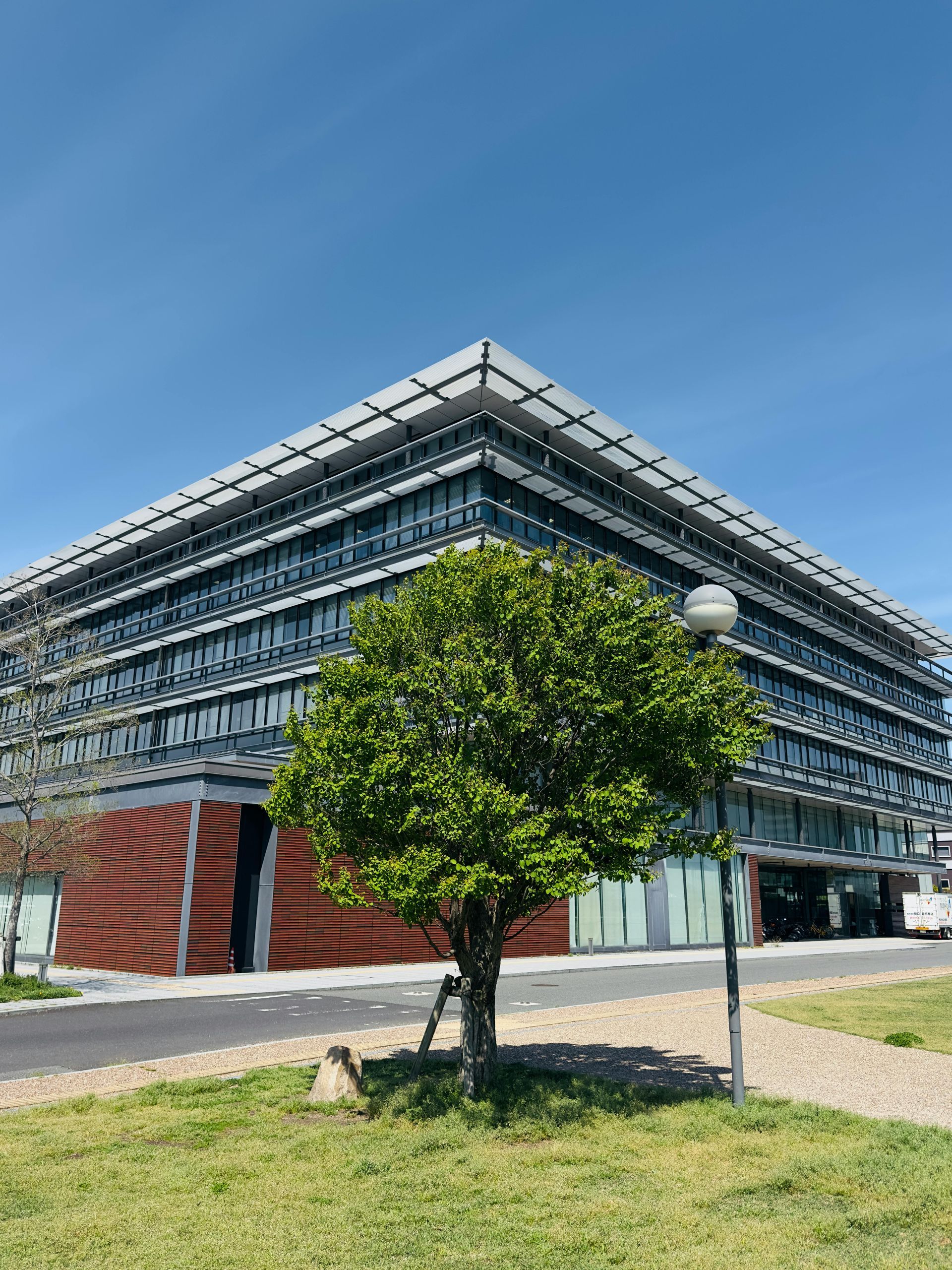
Commercial Landscape Budget Planning Framework
Annual Budget Calculation
For Twin Cities commercial properties, budget 3-5% of gross rental income for landscape maintenance. This percentage varies based on property type, landscape complexity, and tenant expectations.
Monthly Budget Distribution
Twin Cities properties should allocate landscape budgets across the year based on seasonal demands:
- Spring (March-May): 35% of annual budget - Cleanup, mulching, spring planting, irrigation startup
- Summer (June-August): 25% of annual budget - Regular maintenance, watering, pest control, pruning
- Fall (September-November): 25% of annual budget - Leaf removal, winterization, snow prep, final treatments
- Winter (December-February): 15% of annual budget - Snow removal, ice management, dormant season planning
Vendor Evaluation Process: Selecting the Right Landscape Partner
Essential Qualifications
When evaluating landscape contractors, ensure they have:
- Minnesota contractor license (required for projects over $15,000)
- General liability insurance minimum $1 million
- Workers' compensation coverage
- Minimum 5 years serving commercial properties in Twin Cities
- Commercial-grade equipment for efficient large-scale maintenance
- Snow removal equipment and 24/7 winter response capability

Twin Cities Seasonal Maintenance Calendar
Spring Operations (March-May)
- March: Winter damage assessment, irrigation system inspection and startup, pruning of damaged branches
- April: Spring restoration, power raking and overseeding, mulch installation, pre-emergent herbicide application
- May: Growth season preparation, first fertilization, planting of annual flowers, irrigation system calibration
Summer Maintenance (June-August)
- June: Peak growth management, regular mowing and edging, deep watering establishment
- July: Heat stress prevention, increased watering frequency, mid-season fertilization
- August: Late summer care, reduced watering as growth slows, summer pruning for safety
Fall Preparation (September-November)
- September: Renovation season, fall overseeding, fall fertilization for root development
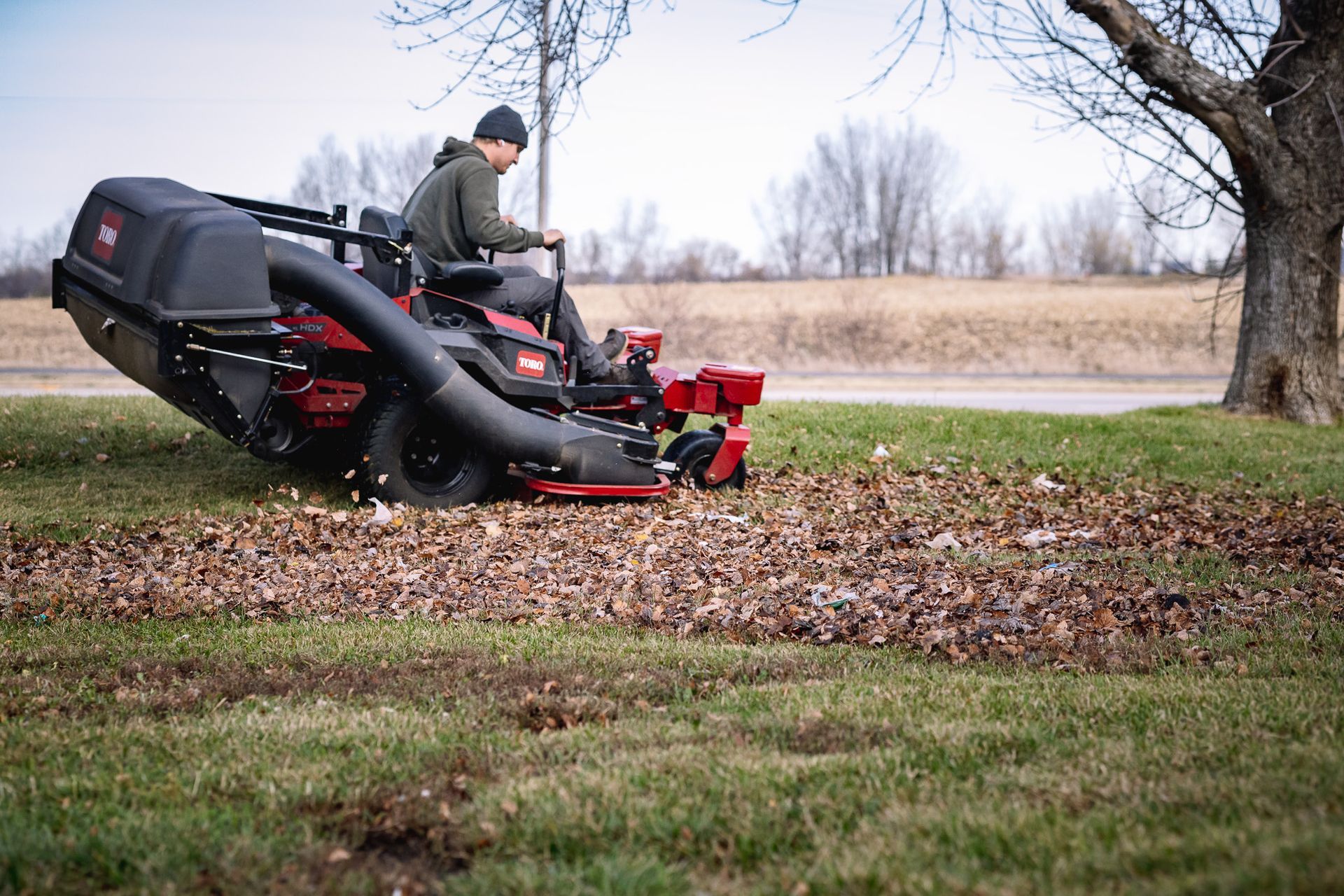
- October: Winter preparation, major leaf removal operations, final lawn fertilization
- November: Winterization, final leaf removal, irrigation system blowout, snow equipment preparation
Winter Operations (December-February)
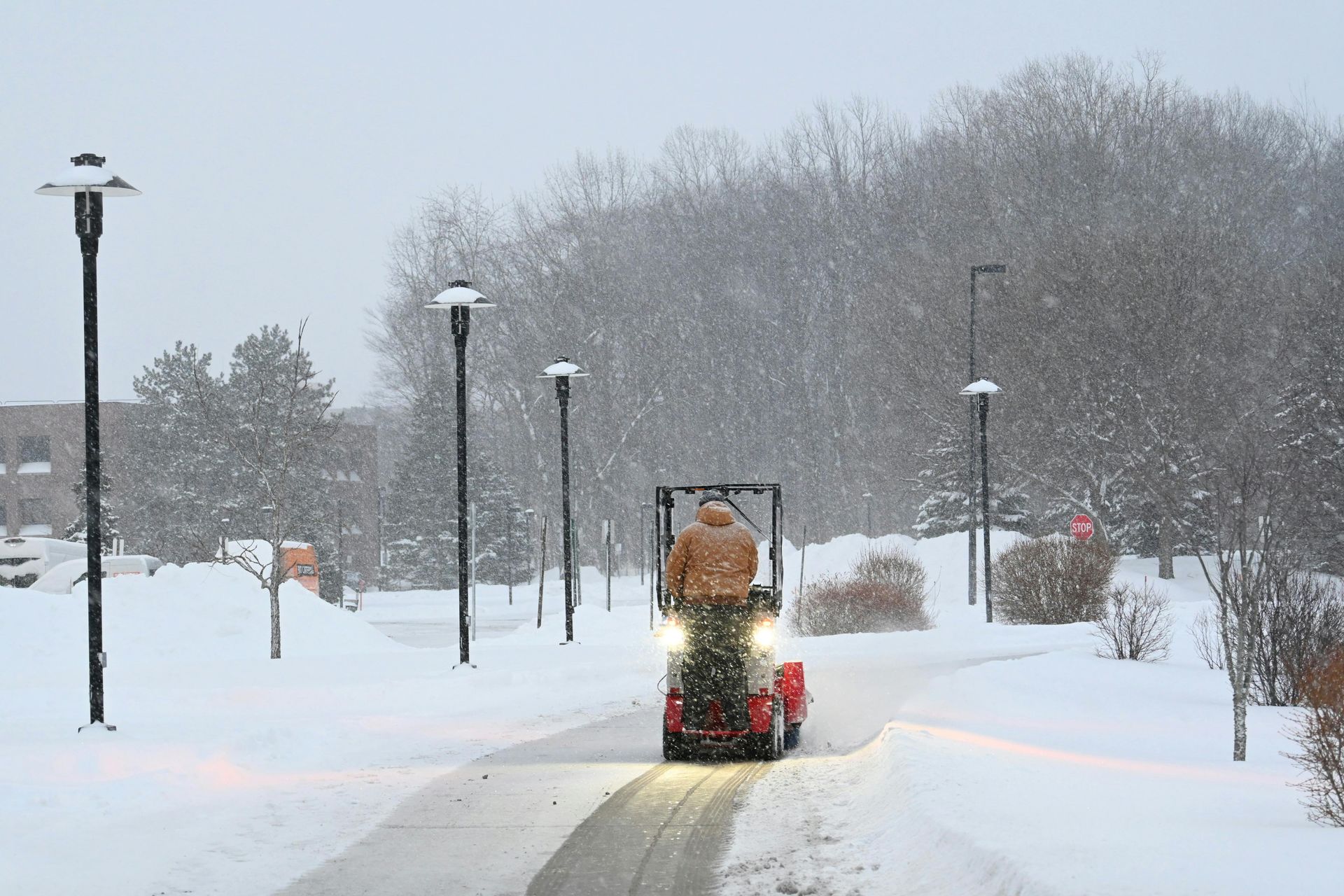
- 24/7 snow and ice management monitoring and response
- Pre-treatment application before predicted storms
- Dormant season planning and budget preparation
- Tree health evaluation and winter pruning as needed
Local Expertise: Why Burnsville-Based Contractors Understand Your Challenges
Unique Twin Cities Conditions
Dakota County's heavy clay soils present unique drainage and compaction challenges that require local expertise. Twin Cities' continental climate creates challenging growing conditions with temperature swings from -20°F to 100°F annually, unpredictable spring weather with late freezes, and harsh winter conditions with significant snowfall.
Different cities throughout the Twin Cities have varying regulations, from Burnsville's specific ordinances regarding tree removal to Dakota County's stormwater management requirements.
TGC Lawn & Landscape: Your Local Commercial Partner
As a Burnsville-based company serving Dakota County and the greater Twin Cities area, TGC Lawn & Landscape brings essential local knowledge to commercial property maintenance:
- Over 15 years serving commercial properties in the Twin Cities
- Extensive knowledge of soil conditions throughout Dakota County
- Understanding of seasonal timing unique to Minnesota's growing season
- Experience with properties ranging from 10,000 to 500,000+ square feet
- 24/7 emergency response capability for storm damage and winter events
- Certified arborists for professional tree care
- Sustainable landscape solutions using native plants
Action Steps for Property Managers
Immediate Next Steps
- Assess Current Landscape Condition - Conduct comprehensive property walkthrough and document problem areas requiring attention
- Review Existing Contracts - Analyze current service agreements for gaps or inefficiencies and verify contractor licensing
- Gather Vendor Proposals - Request detailed proposals from 3-4 qualified contractors and check references from similar properties
Long-Term Planning
- Implement the budget framework outlined in this guide
- Establish regular communication protocols with chosen contractor
- Monitor tenant feedback regarding property appearance
- Plan upgrades that enhance property value and tenant satisfaction
Managing commercial properties in the Twin Cities requires a landscape maintenance partner who understands local conditions, regulations, and business needs. The investment in professional landscape maintenance pays dividends through improved tenant satisfaction, enhanced property values, and reduced liability risks.
Ready to elevate your commercial property's landscape maintenance?
Contact TGC Lawn & Landscape today for a comprehensive property assessment and customized maintenance proposal. Our team of local experts is ready to help you create a landscape maintenance program that protects your investment and exceeds tenant expectations.
Call (952) 890-8940 or visit www.tgclawnandlandscape.com to schedule your consultation.