April 9, 2026
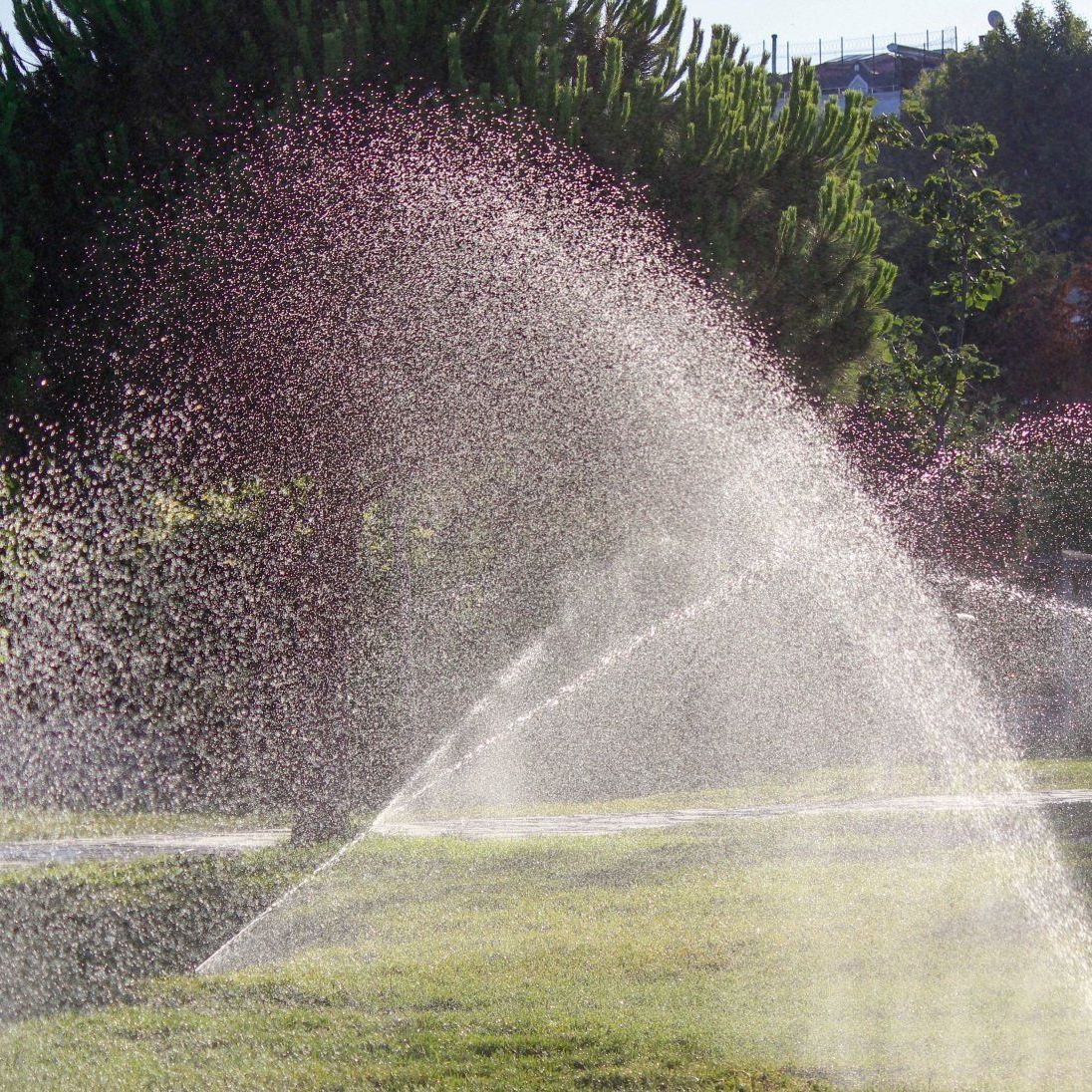
In Minnesota, changing weather, dry spells, and inconsistent rainfall can make it difficult to keep grass looking its best throughout the season. For many homeowners, that leads to the same question: is irrigation right for your lawn? The answer depends on your property, your goals, and how much time you want to spend managing watering by hand. For some homeowners, an irrigation system is a smart investment that improves lawn health, saves time, and helps protect landscaping. For others, simpler watering methods may be enough. Here is what homeowners should know when deciding whether a lawn irrigation system is the right fit. What Does an Irrigation System Do? A lawn irrigation system is designed to deliver water evenly across your yard on a consistent schedule. Instead of dragging hoses and sprinklers around the property, homeowners can rely on built-in sprinkler zones to water different areas as needed. A professionally designed irrigation system can help: keep grass greener during hot and dry periods water more evenly than manual sprinklers reduce the stress of remembering when and how long to water support healthier root growth protect your investment in sod, seed, and landscaping For busy homeowners, convenience is often one of the biggest advantages. A system can do the work automatically while making sure the lawn gets the right amount of water. Signs Irrigation May Be Right for Your Lawn Not every property needs a full irrigation system, but there are several signs it may be worth considering. Your Lawn Dries Out Quickly: If parts of your yard turn brown or patchy during dry weather, your lawn may not be getting enough consistent moisture. This is especially common in areas with full sun, sloped ground, or lighter soil. You Struggle to Water Consistently: Life gets busy. If watering often gets pushed aside, an irrigation system can help keep your lawn on track without the daily effort. You Have a Larger Yard: The bigger the lawn, the harder it is to water effectively with a hose and portable sprinkler. Irrigation systems are especially helpful for properties with large front and back yards or multiple landscape zones. You Have New Sod or Seed: New grass needs careful, consistent watering to establish strong roots. An irrigation system makes it much easier to maintain the schedule needed for successful growth. You Want to Protect Landscaping: Irrigation is not just for grass. It can also help support planting beds, shrubs, and other landscape features that need regular watering during the growing season. When Irrigation Might Not Be Necessary Some homeowners may not need a full irrigation system. You may be able to stick with manual watering if: your yard is small and easy to manage you do not mind watering regularly your lawn already stays healthy with minimal effort you are not trying to maintain a consistently lush, green appearance all season In these situations, a hose and sprinkler setup may be enough. The key is whether your current approach is realistic and effective for your property. The Benefits of Lawn Irrigation for Homeowners When properly installed and maintained, irrigation can offer several long-term benefits. More Consistent Lawn Health: Grass grows best when it gets the right amount of water at the right time. Too little water can lead to stress and thinning, while too much can create shallow roots and disease issues. An irrigation system helps create a more consistent routine. Better Water Coverage: Portable sprinklers often leave dry spots, overwater some areas, and miss others completely. Professional irrigation systems are designed to deliver more even coverage across the lawn. Time Savings: Homeowners often underestimate how much time it takes to water by hand, especially during the hottest weeks of summer. With irrigation, watering becomes one less thing to manage. Improved Curb Appeal: A greener, healthier lawn can make a big difference in how your home looks from the street. If curb appeal matters to you, irrigation can help maintain a cleaner, more polished appearance. Support for Overall Landscape Maintenance: A lawn that receives consistent watering tends to respond better to mowing, fertilization, weed control, and seasonal care. Things to Consider Before Installing Irrigation: Before deciding on an irrigation system, it helps to think through a few practical questions. What Are Your Lawn Goals? Do you want a lawn that simply survives the summer, or do you want one that stays thick, green, and attractive throughout the season? Your expectations matter. How Much Time Do You Want to Spend Watering? Some homeowners do not mind managing hoses and sprinklers. Others would rather automate the process and avoid the hassle. What Areas Need Water Most? Some properties have problem areas that dry out faster than others. Full sun, sandy soil, slopes, and newly seeded sections may all need more support. Are You Planning Other Landscape Improvements? I f you are already investing in new sod, plantings, or landscape upgrades, irrigation can help protect that investment and improve long-term results. Professional Irrigation Installation Makes a Difference. A poorly planned irrigation setup can waste water, miss sections of the yard, or create overwatering issues. That is why professional design and installation matter. A good irrigation plan takes into account: lawn size and shape sunny and shaded areas slope and drainage soil conditions sprinkler head placement separate watering needs for turf and planting beds The goal is not just to install sprinklers. It is to create a system that works well for your property and supports healthier growth. Is Irrigation Worth It? For many homeowners, yes. If you want a more reliable way to keep your lawn healthy, reduce stress during dry weather, and save time on watering, irrigation can be a worthwhile investment. It is especially helpful for homeowners who: want a greener lawn with less manual effort have a larger yard struggle with dry spots recently installed sod or new landscaping want more consistent results throughout the season If your current watering routine is not giving you the results you want, it may be time to look at a better long-term solution. Need Help Deciding if Irrigation Is Right for Your Property? Every yard is different. The best irrigation plan depends on your lawn, your landscape, and how you want your property to look and function throughout the season. At The Grounds Crew, we help homeowners improve and maintain healthy, attractive outdoor spaces. If you are considering irrigation for your lawn, our team can help you determine the right approach for your property. Contact The Grounds Crew today to talk about your lawn care and irrigation needs.